
What is a Restavek?
Restavek. Rester: to stay. Avek: with.
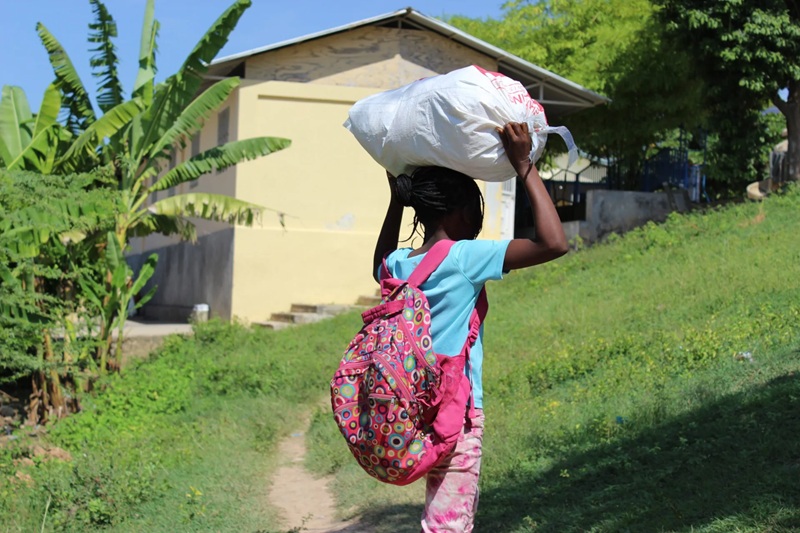
A restavek (or restavec) is a child in Haiti who is sent away by their parents to live with a host household as a form of informal adoption because the parents lack the resources required to support the child. The term comes from the French language rester avec, “to stay with”. Parents unable to care for children may send them to live with wealthier (or less poor) families, often their own relatives or friends. Often the children are from rural areas, and relatives who host restaveks live in more urban settings. The expectation is that the children will be given food and housing (and sometimes an education) free of charge in exchange for helping with chores. Although most honor their commitments, some host households do not fulfill their promises to the restaveks’ parents; these children live a standard below others in the household, may not receive proper education, and are at grave risk for physical, emotional, and sexual abuse.
The restavek system though tolerated in Haitian culture, meets formal international definitions of modern day slavery and child trafficking, and is believed to affect an estimated 300,000 Haitian children. The number of child domestic workers in Haiti, defined as 1) living away from parents’ home; 2) not following normal progression in education; and 3) working more than other children, is more than 400,000. 25% of Haitian children age 5–17 live away from their biological parents.
Please pray for the children caught within this system of modern day slavery and children trafficking. Pray for those entrusted to care for these children, that they may honour their commitments to the well-being of the children, and not subject them to physical, emotional, and sexual abuse. Pray for an end to the circumstances that lead parents to give up their children to others like this.